Cabo de Gata - Níjar travel information and video
Holiday information, facts, photos and video about Cabo de Gata - Níjar
Regions
Provinces
Coasts
Towns and areas
Regions
Provinces
Coasts
Towns and areas
Regions
Provinces
Coasts
Towns and areas
Featured holiday homes in Almería province
Things to do while you are here
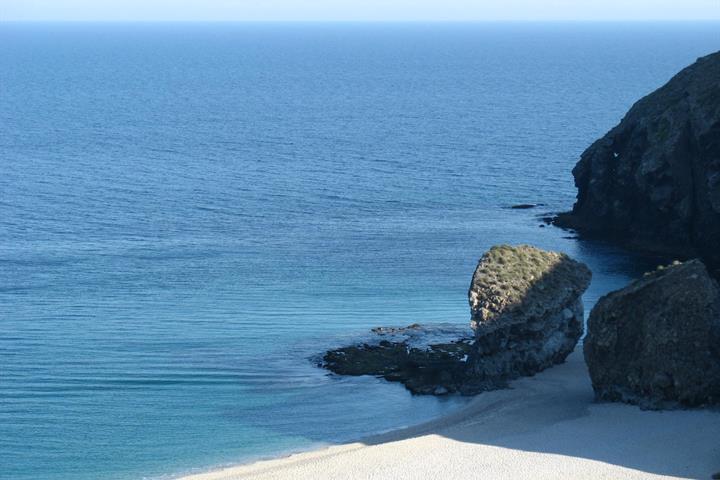
Why you should visit Playa de los Muertos in Cabo de GataWith turquoise waters and white sands, this beautiful beach could very well be in the Caribbean. Welcome to Playa de los Muertos in Cabo de Gata. |
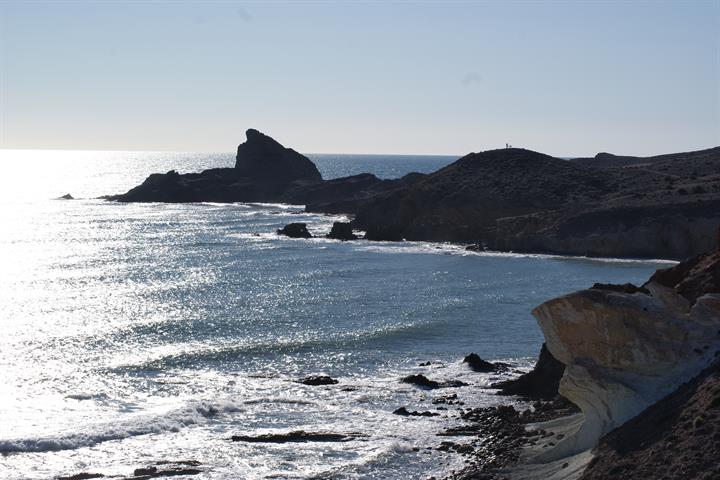
A winter afternoon in Cabo de GataA weekend afternoon in Cabo de Gata, out of season but definitely in fashion for walkers and birders alike. |
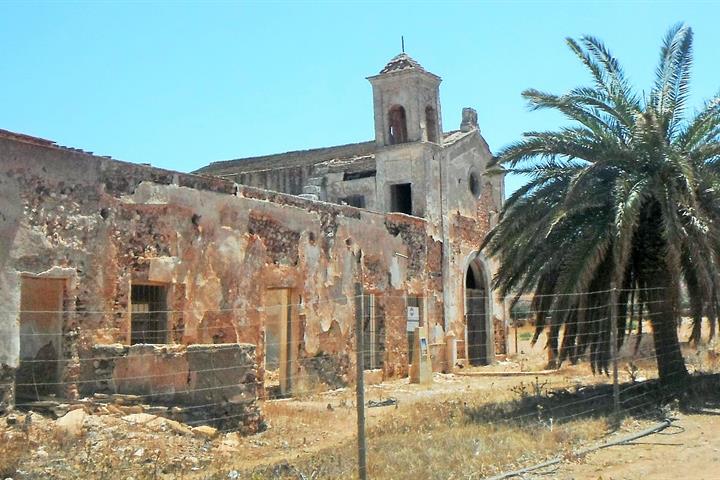
Cortijo del Fraile: Where Lorca meets EastwoodThe scene of a ruined cortijo or farmhouse in Almería - where stars of Hollywood have filmed and Lorca found inspiration. |
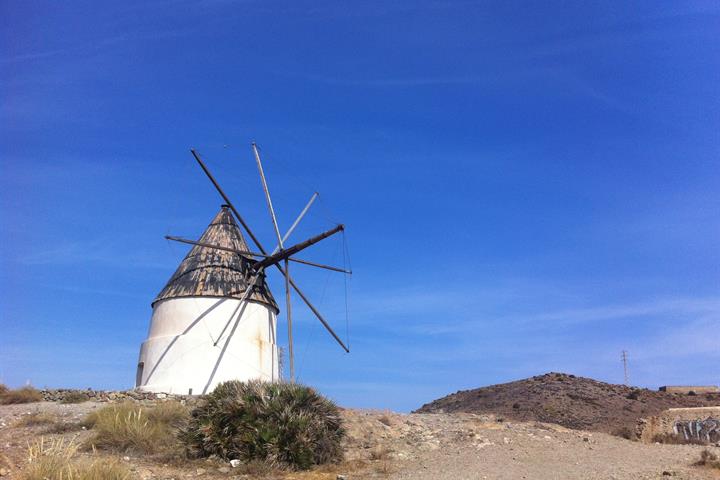
Iconic images from San José, Cabo de GataDo you know the way to San José? Just look around when you do get there, some Spanish destinations are just perfect camera fodder! |
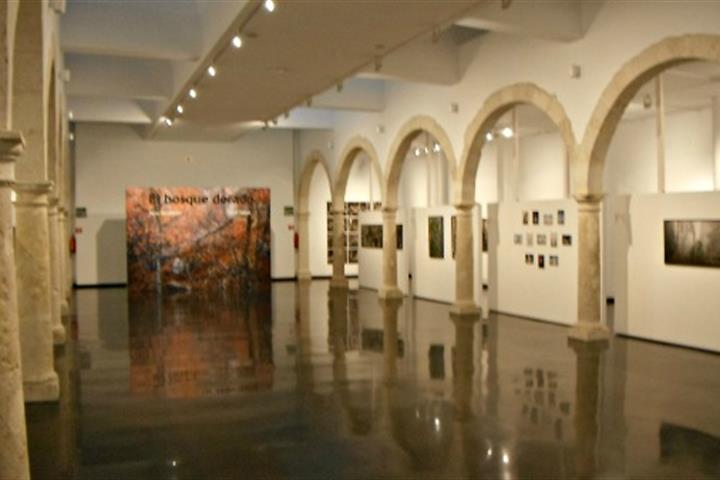
Photography exhibition in AlmeríaCultural Spanish city breaks provide a timely break in winter. Train your lens towards Almería, for the latest photography exhibition. |
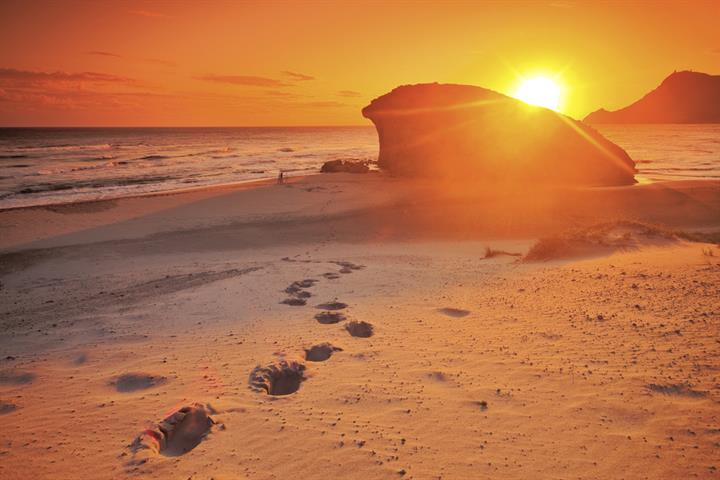
Best beaches in Cabo de Gata - MonsulMonsul beach is considered by many to be the most beautiful beach in the Cabo de Gata area. |
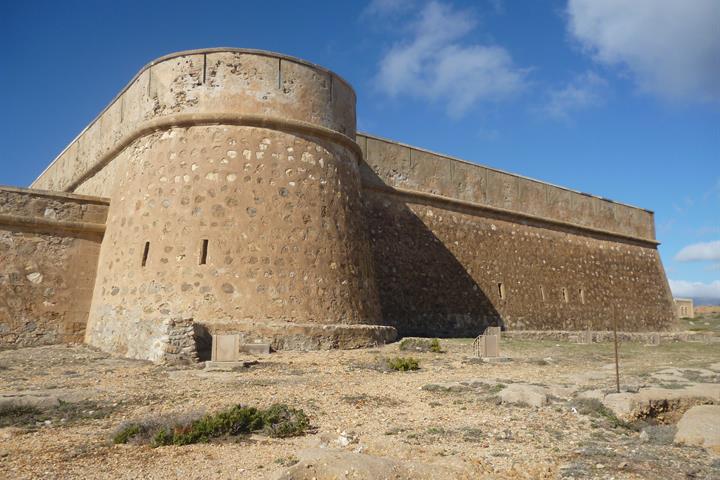
A visit to a fortified castle in AlmeríaAlmeria has many defensive forts and castles, but one town has more than most. Let's take a trip to El Ejido,on the coastline at Almería. |
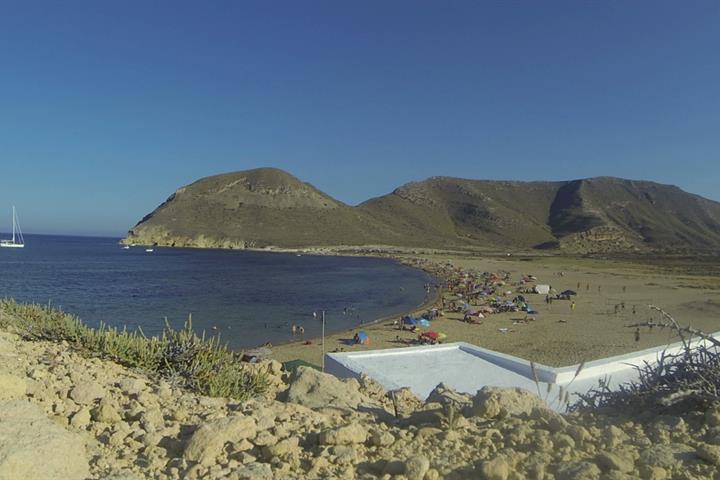
Best beaches in Cabo de Gata, Almeria - Playa El PlayazoPlayazo beach is one of the most renowned beaches in the Cabo de Gata natural park. It offers dramatic scenery, crystal clear waters and a lot of spac |
Why you should visit Playa de los Muertos in Cabo de GataWith turquoise waters and white sands, this beautiful beach could very well be in the Caribbean. Welcome to Playa de los Muertos in Cabo de Gata. |
A winter afternoon in Cabo de GataA weekend afternoon in Cabo de Gata, out of season but definitely in fashion for walkers and birders alike. |
Cortijo del Fraile: Where Lorca meets EastwoodThe scene of a ruined cortijo or farmhouse in Almería - where stars of Hollywood have filmed and Lorca found inspiration. |
Iconic images from San José, Cabo de GataDo you know the way to San José? Just look around when you do get there, some Spanish destinations are just perfect camera fodder! |
Photography exhibition in AlmeríaCultural Spanish city breaks provide a timely break in winter. Train your lens towards Almería, for the latest photography exhibition. |
Best beaches in Cabo de Gata - MonsulMonsul beach is considered by many to be the most beautiful beach in the Cabo de Gata area. |
A visit to a fortified castle in AlmeríaAlmeria has many defensive forts and castles, but one town has more than most. Let's take a trip to El Ejido,on the coastline at Almería. |
Best beaches in Cabo de Gata, Almeria - Playa El PlayazoPlayazo beach is one of the most renowned beaches in the Cabo de Gata natural park. It offers dramatic scenery, crystal clear waters and a lot of spac |
Why you should visit Playa de los Muertos in Cabo de GataWith turquoise waters and white sands, this beautiful beach could very well be in the Caribbean. Welcome to Playa de los Muertos in Cabo de Gata. |
A winter afternoon in Cabo de GataA weekend afternoon in Cabo de Gata, out of season but definitely in fashion for walkers and birders alike. |
Cortijo del Fraile: Where Lorca meets EastwoodThe scene of a ruined cortijo or farmhouse in Almería - where stars of Hollywood have filmed and Lorca found inspiration. |
Iconic images from San José, Cabo de GataDo you know the way to San José? Just look around when you do get there, some Spanish destinations are just perfect camera fodder! |
Photography exhibition in AlmeríaCultural Spanish city breaks provide a timely break in winter. Train your lens towards Almería, for the latest photography exhibition. |
Best beaches in Cabo de Gata - MonsulMonsul beach is considered by many to be the most beautiful beach in the Cabo de Gata area. |
A visit to a fortified castle in AlmeríaAlmeria has many defensive forts and castles, but one town has more than most. Let's take a trip to El Ejido,on the coastline at Almería. |
Best beaches in Cabo de Gata, Almeria - Playa El PlayazoPlayazo beach is one of the most renowned beaches in the Cabo de Gata natural park. It offers dramatic scenery, crystal clear waters and a lot of spac |
Reviews for Cabo de Gata - Níjar
Average overall ratings - Based on 1 reviews.
City
Coast
| City: | |
| Coast: |
Submitted by: Celia Martínez Uruen
27. Jul 2017
This review is in Spanish
This review is in Spanish
Cabo de Gata - Níjar review
Costa Almería reviews
Report abuse
You found this abusive