Almogía travel information and video
Holiday information, facts, photos and video about Almogía
Regions
Provinces
Coasts
Towns and areas
Regions
Provinces
Coasts
Towns and areas
Regions
Provinces
Coasts
Towns and areas
Featured holiday homes in Valle Del Guadalhorce
Highlights of Almogía
Highlights of Almogía
Almogia
Almogia is set in the foothills of the Sierra del Hacho in the shadow of the Sancti-Perti peak. The surrounding area is irresistibly gorgeous; standing on a steep hill the town still retains its original Moorish layout, with steep, narrow streets of whitewashed houses.
Almogia is located roughly half way between the centre of the city of Málaga (30 kilometres, 40 minutes drive) and Antequera (35 kilometres, 50 minutes drive). The distance to Antequera is shorter as the crow flies, but standing in the path are are the majestic mountains of Torcal, a seemingly alien landscape of weathered limestone forced upwards millions of year ago, the rock formations are akin to giant discs sat atop of one another, it looks like a graveyard of the Gods.
History
The name Almogia is derived from the Moorish Al-Mexia meaning the pretty one, an apt title for this charming town.
The castle, known as the Hins-Xan-Biter (Sancti-Petri, after the mountain), is the most prominent structure in Almogia, although most of it is in ruins. The town’s main church is the Iglesia de Nuestra Señora de la Asunción, which was built over the ruins of a mosque deliberately destroyed after the re-occupation.
The church boasts numerous religious icons including a portrait of the hermit St Paul. The second most sacred structure in the town is the Ermita del Sagrado Corazón (sacred heart) located in the upper part of the town. The building that survives today was built in the 18th century and has a small bell tower; it was originally used by nuns living in the adjoining convent, which was demolished in the 19th century. The town also has a shrine of Christ in Calle Santo Cristo, the only surviving example of no less than fourteen that were erected around the town.
Beaches
The nearest beaches are those in Málaga, although Málaga is a thriving and industrious city, the beaches are very well maintained and very pretty. The journey will take around 40 minutes by car.
Golf
The nearest golf courses are Parador Golf in Málaga (the oldest course on the Costa del Sol), located to the west of the city and El Candado to the east. Both are around 30 kilometres from Almogia, journey time is approximately 35 minutes by car.
Cuisine
Almogia's cuisine is typical of the area, with lots of seafood and rice on the menu. Until recent years there were far too few restaurants in Almogia until almost simultaneously four restaurants opened up.
There are a number of older cafés and tapas bars, where you can enjoy a relaxed meal. Tapas portions come in a Tapa, Ración or Media Ración; a tapa being the smallest and a ración (ration) normally being sufficient to share amongst friends. Some more traditional bars will often present you with a tapa each time you order a caña (small beer), meaning you get a free lunch with your beer!
Climate
Almogia enjoys a sub-tropical Mediterranean climate with hot summers and warm winters. Divided from the sea by the mountains means the heat can soar in summer, but it remains comfortable for the most part. Temperatures are an average of 32 ºC during the summer months.
Almogia is set in the foothills of the Sierra del Hacho in the shadow of the Sancti-Perti peak. The surrounding area is irresistibly gorgeous; standing on a steep hill the town still retains its original Moorish layout, with steep, narrow streets of whitewashed houses.
Almogia is located roughly half way between the centre of the city of Málaga (30 kilometres, 40 minutes drive) and Antequera (35 kilometres, 50 minutes drive). The distance to Antequera is shorter as the crow flies, but standing in the path are are the majestic mountains of Torcal, a seemingly alien landscape of weathered limestone forced upwards millions of year ago, the rock formations are akin to giant discs sat atop of one another, it looks like a graveyard of the Gods.
History
The name Almogia is derived from the Moorish Al-Mexia meaning the pretty one, an apt title for this charming town.
The castle, known as the Hins-Xan-Biter (Sancti-Petri, after the mountain), is the most prominent structure in Almogia, although most of it is in ruins. The town’s main church is the Iglesia de Nuestra Señora de la Asunción, which was built over the ruins of a mosque deliberately destroyed after the re-occupation.
The church boasts numerous religious icons including a portrait of the hermit St Paul. The second most sacred structure in the town is the Ermita del Sagrado Corazón (sacred heart) located in the upper part of the town. The building that survives today was built in the 18th century and has a small bell tower; it was originally used by nuns living in the adjoining convent, which was demolished in the 19th century. The town also has a shrine of Christ in Calle Santo Cristo, the only surviving example of no less than fourteen that were erected around the town.
Beaches
The nearest beaches are those in Málaga, although Málaga is a thriving and industrious city, the beaches are very well maintained and very pretty. The journey will take around 40 minutes by car.
Golf
The nearest golf courses are Parador Golf in Málaga (the oldest course on the Costa del Sol), located to the west of the city and El Candado to the east. Both are around 30 kilometres from Almogia, journey time is approximately 35 minutes by car.
Cuisine
Almogia's cuisine is typical of the area, with lots of seafood and rice on the menu. Until recent years there were far too few restaurants in Almogia until almost simultaneously four restaurants opened up.
There are a number of older cafés and tapas bars, where you can enjoy a relaxed meal. Tapas portions come in a Tapa, Ración or Media Ración; a tapa being the smallest and a ración (ration) normally being sufficient to share amongst friends. Some more traditional bars will often present you with a tapa each time you order a caña (small beer), meaning you get a free lunch with your beer!
Climate
Almogia enjoys a sub-tropical Mediterranean climate with hot summers and warm winters. Divided from the sea by the mountains means the heat can soar in summer, but it remains comfortable for the most part. Temperatures are an average of 32 ºC during the summer months.
Things to do while you are here
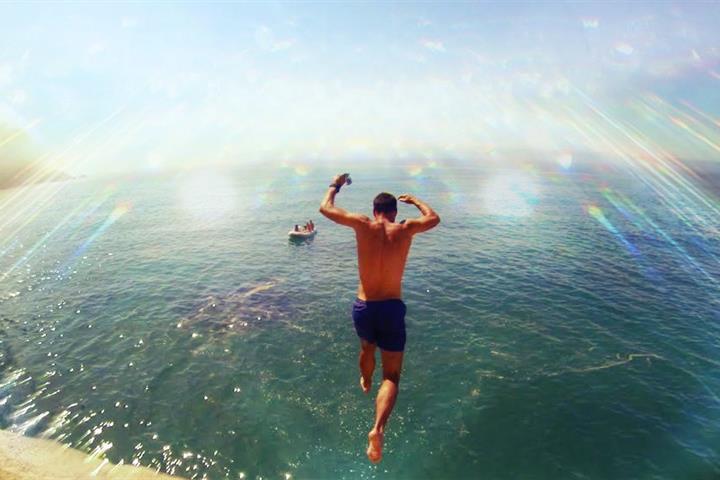
Best places to stay in Costa del SolThe Costa del Sol offers something for everyone. Our guide covers the best places for families, beach, city lovers & clubbers, across all budgets |
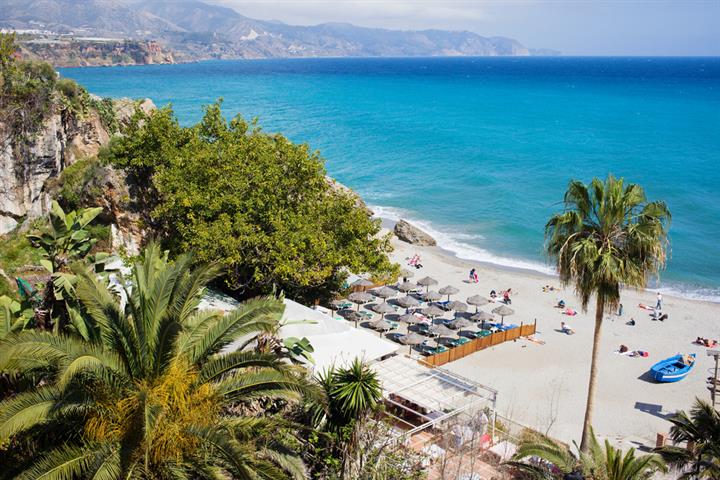
A comprehensive guide to the best beaches on the Costa del SolWith more than 325 sunny days per year, the Costa del Sol definitely earns its name. Find the best beaches to enjoy the sun on the coast... |
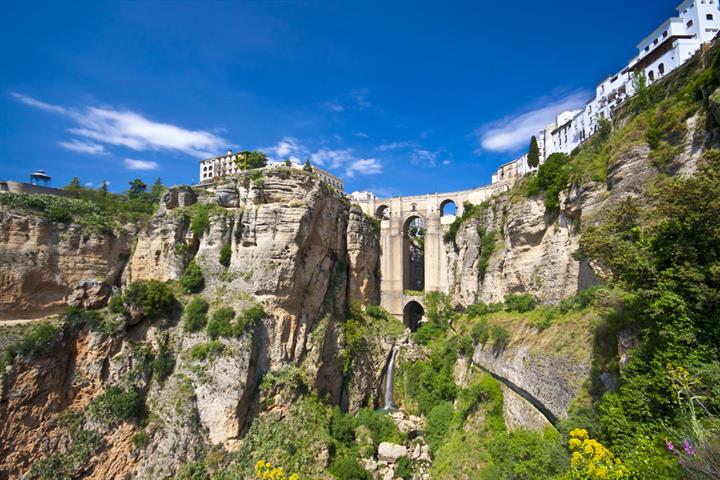
Not Just Beaches: 12 Unmissable Day Trips from the Costa del SolHeading to the Costa del Sol this year? There´s so much to see in this part of Spain apart from the beaches and nightlife. Read on to discover more! |
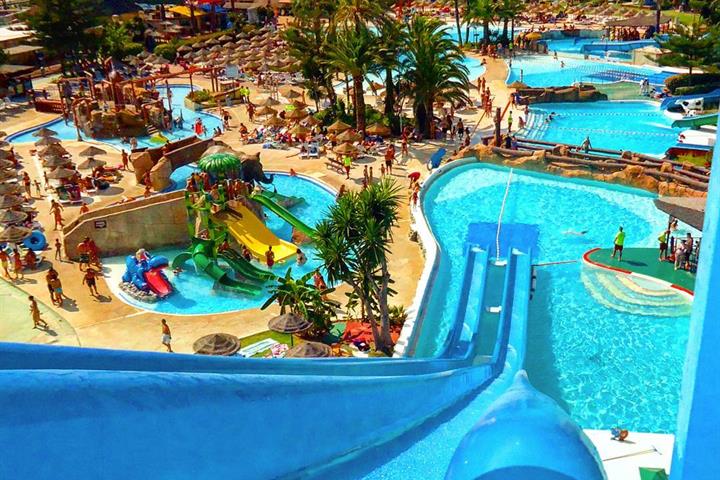
26 Family Activities On The Costa Del SolHeading to the Costa del Sol this summer? Get the most out of your holiday with our 26 best family activities, something for both adults and children! |
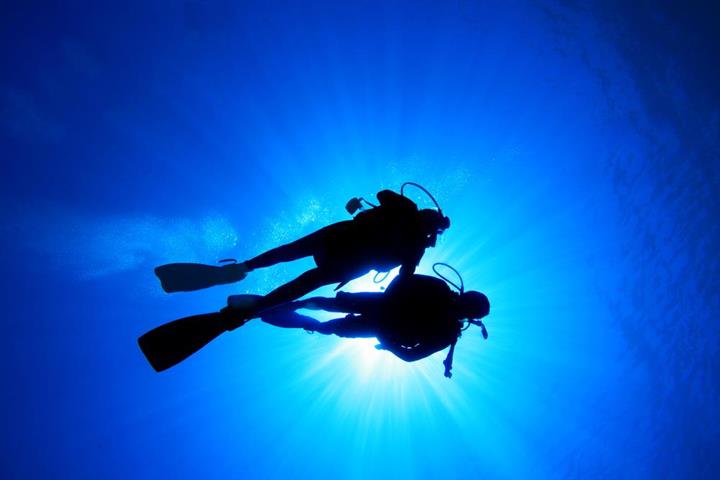
Water Sports on the Costa del SolA holiday to the Costa del Sol isn't complete until trying a water sport on the warm Mediterranean Sea. General guide to help plan your adventure. |
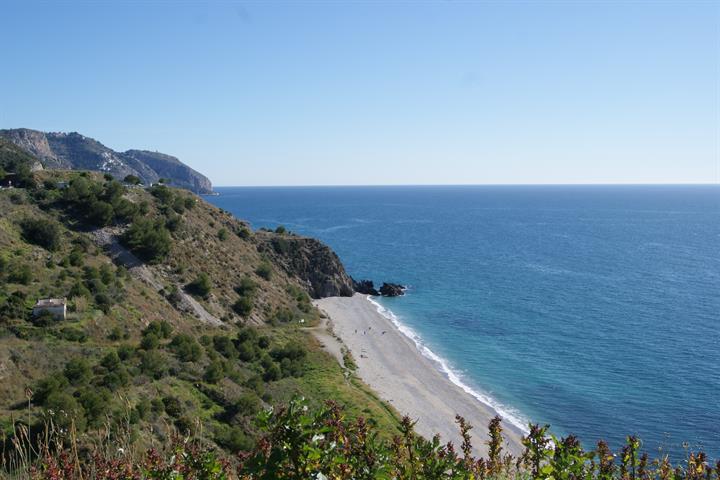
A winter walk of Maro-Cerro Gordo on the Costa TropicalA walk doesn't have to be a hard hike. Gentler inclines are to be found all along the Costa Tropical, where you can also turn up the burn if you wish. |
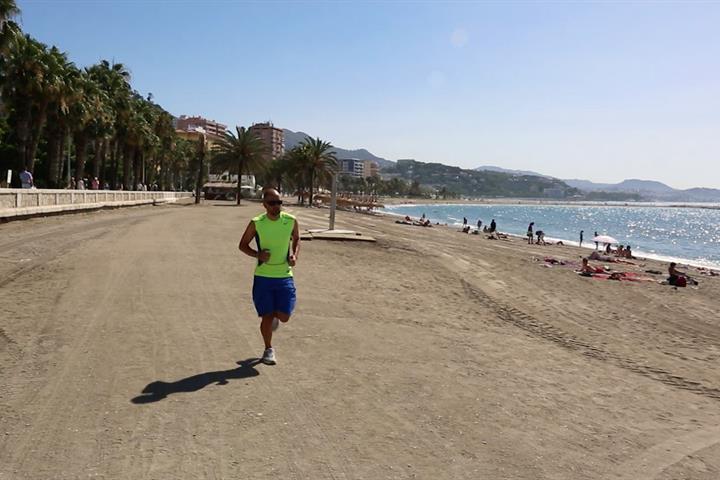
5 best running routes on the Costa del SolCheck out our selection of the 5 best places to run along the Costa del Sol and experience running in Málaga now with this HD video. |
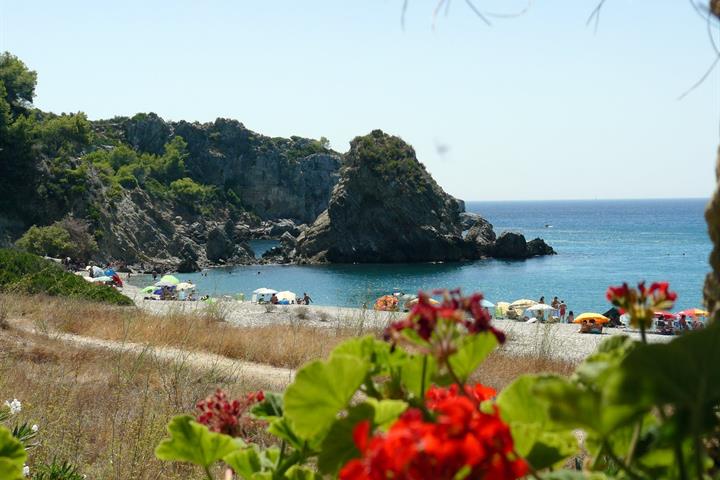
A visit to the Costa del Sol’s best beach – Playa El CañueloPlaya El Cañuelo is one of the those beaches that has to be seen to be believed. |
Best places to stay in Costa del SolThe Costa del Sol offers something for everyone. Our guide covers the best places for families, beach, city lovers & clubbers, across all budgets |
A comprehensive guide to the best beaches on the Costa del SolWith more than 325 sunny days per year, the Costa del Sol definitely earns its name. Find the best beaches to enjoy the sun on the coast... |
Not Just Beaches: 12 Unmissable Day Trips from the Costa del SolHeading to the Costa del Sol this year? There´s so much to see in this part of Spain apart from the beaches and nightlife. Read on to discover more! |
26 Family Activities On The Costa Del SolHeading to the Costa del Sol this summer? Get the most out of your holiday with our 26 best family activities, something for both adults and children! |
Water Sports on the Costa del SolA holiday to the Costa del Sol isn't complete until trying a water sport on the warm Mediterranean Sea. General guide to help plan your adventure. |
A winter walk of Maro-Cerro Gordo on the Costa TropicalA walk doesn't have to be a hard hike. Gentler inclines are to be found all along the Costa Tropical, where you can also turn up the burn if you wish. |
5 best running routes on the Costa del SolCheck out our selection of the 5 best places to run along the Costa del Sol and experience running in Málaga now with this HD video. |
A visit to the Costa del Sol’s best beach – Playa El CañueloPlaya El Cañuelo is one of the those beaches that has to be seen to be believed. |
Best places to stay in Costa del SolThe Costa del Sol offers something for everyone. Our guide covers the best places for families, beach, city lovers & clubbers, across all budgets |
A comprehensive guide to the best beaches on the Costa del SolWith more than 325 sunny days per year, the Costa del Sol definitely earns its name. Find the best beaches to enjoy the sun on the coast... |
Not Just Beaches: 12 Unmissable Day Trips from the Costa del SolHeading to the Costa del Sol this year? There´s so much to see in this part of Spain apart from the beaches and nightlife. Read on to discover more! |
26 Family Activities On The Costa Del SolHeading to the Costa del Sol this summer? Get the most out of your holiday with our 26 best family activities, something for both adults and children! |
Water Sports on the Costa del SolA holiday to the Costa del Sol isn't complete until trying a water sport on the warm Mediterranean Sea. General guide to help plan your adventure. |
A winter walk of Maro-Cerro Gordo on the Costa TropicalA walk doesn't have to be a hard hike. Gentler inclines are to be found all along the Costa Tropical, where you can also turn up the burn if you wish. |
5 best running routes on the Costa del SolCheck out our selection of the 5 best places to run along the Costa del Sol and experience running in Málaga now with this HD video. |
A visit to the Costa del Sol’s best beach – Playa El CañueloPlaya El Cañuelo is one of the those beaches that has to be seen to be believed. |