|
|
<-- Back
Cadiz Holidays
See the virgin state of Cadiz lowlands! |
See the virgin state of Cadiz lowlands! Tourist information about Cadiz in Spain. Travel to Cadiz and let Spain-Holiday.com guide and accommodate you |
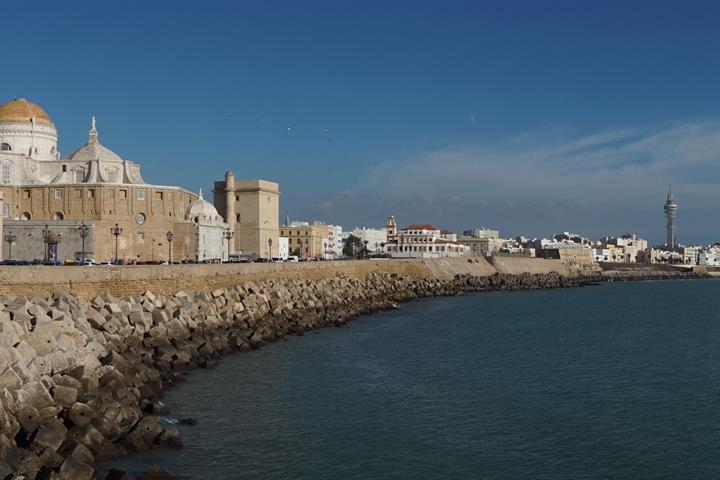
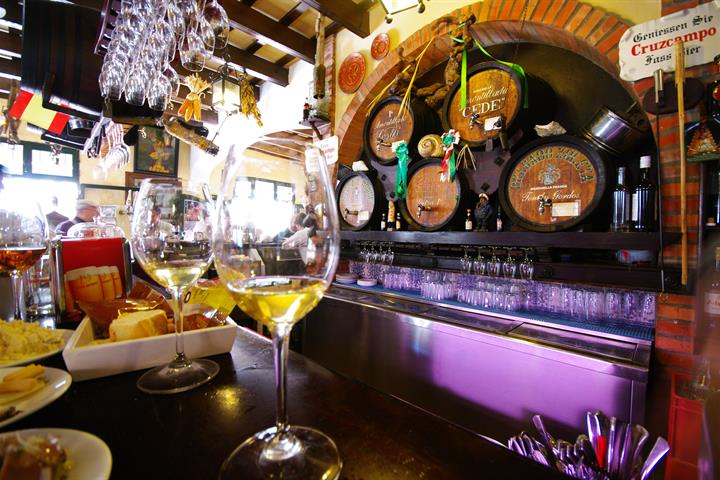
Cadiz province situated in the southwest of Andalucia, stands on a peninsula jutting out into a bay, and is almost entirely surrounded by water. Cadiz stands on a peninsula jutting out into a bay, and is almost entirely surrounded by water. The old city looks quite Moorish in apperaance and is intriguing with narrow cobbled streets opening onto small squares.Land of Sherry wines and Manzanilla.
The relatively high population density of this region of Andalucias west coast hasnt affected the near virgin state of its lowlands. The marshes, dunes and salinas between Cádiz and San Fernando present a distinctive flat landscape. Salinas are salt pans, where sea water is evaporated by the sun to yield salt. This activity dates back to the Phoenicians, and has continued unchanged for three thousand years.
Its privileged position makes Cádiz bay the winter home and resting place for many species of aquatic migratory birds along their routes to and from Africa. The bay region also has many virtually untouched beaches. The excellent seafood from the bay is a staple for locals, as well as being the main economic activity. The invertebrates are particularly good: mussels, langoustines, squid, clams, crab and razor-shell molluscs that can easily be found by rooting around in the shallows. The common chameleon, not so common in Spain any more and therefore a protected species, thrives in the pine woods and is often seen in the gardens of Cádiz town.
There is no doubt that one of the main natural resources of the province of Cádiz is its great variety of beaches. These are characterised by a white fine sand and transparent water. Along the 260 kms of coast, you can find both virgin and urban beaches with infrastructure, small creeks or extensive sandy beaches ranging several kilometres, familiar and intimate beaches, quiet and windy beaches for those who love windsurf. Many of these obtain every year the Blue Flag distinction of the clean European seas. To sum up, 138 kilometres of beach for your rest.
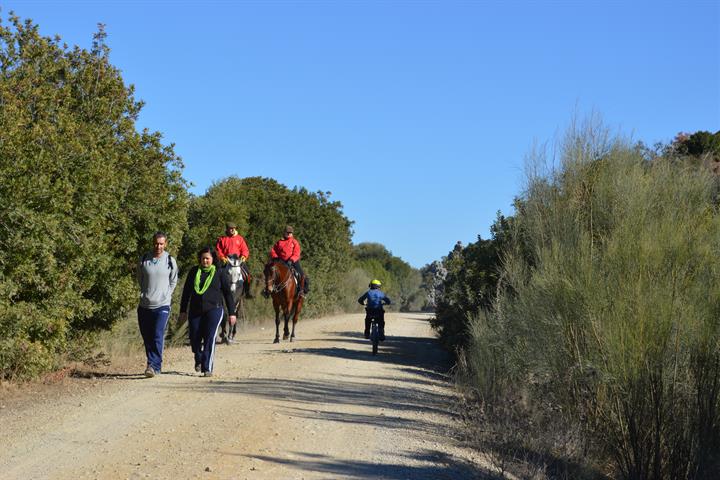
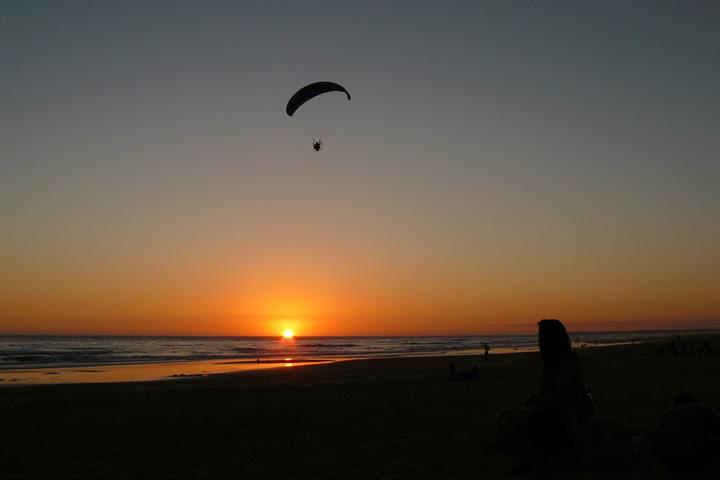
Between Malaga and Huelva lie mountain ranges and Natural Parks, where all kinds of outdoor sports can be practised, including equestrian, hiking, paragliding, ballooning, and many other adventure sports.
The first thing that strikes you when you arrive is the surrounding ocean, imposing on the small peninsula of which lies the city, and the thousands of years of history. Cádiz makes you feel like you are on a ship moving on the ocean towards the endless horizon. You can feel like a captain of one of the many great ships that sailed to America, who at night dreamt of the sounds of the beach.
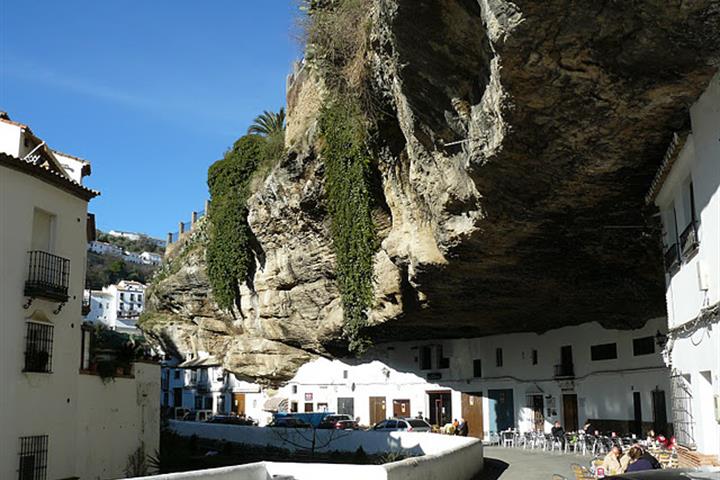
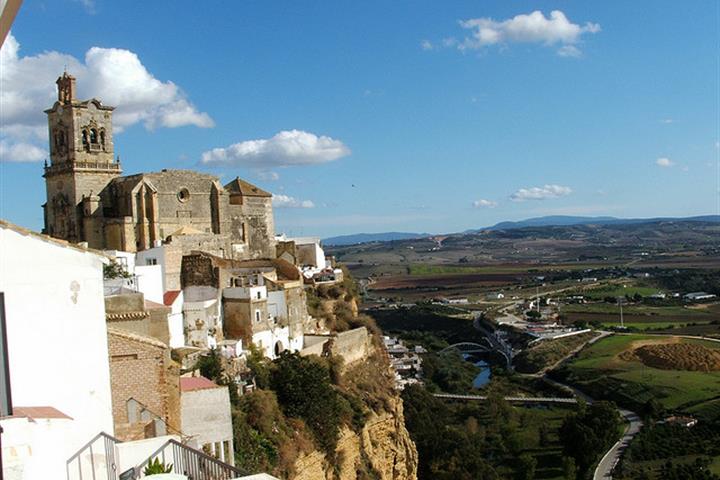
Rolling countryside and white villages, Arcos de la Frontera and Grazalema to name just two. These villages tend to be defensive structures built high on the hillside.
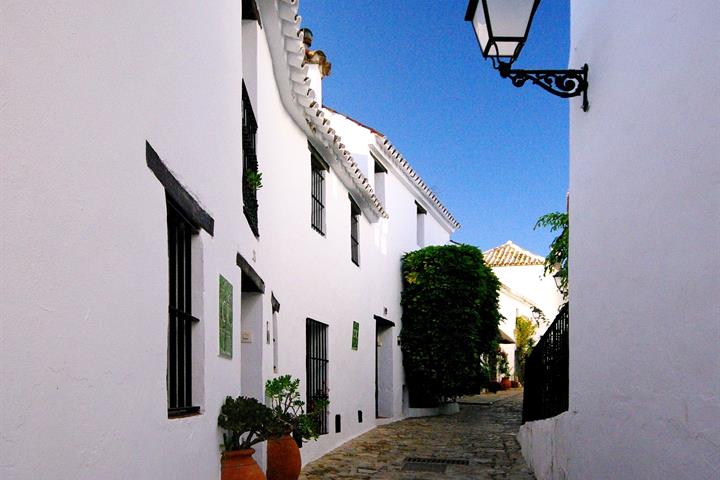
The rugged hills known as the Sierra de Cádiz, are densely wooded with pine groves and cork trees. Here, clinging to the edge of soaring river gorges, are a series of fascinating fortified towns, whose history goes back to the Reconquest and beyond. In fact, many of the villages - with their narrow, twisting streets and massive castles - are still identified for their military function on the frontier between the Moorish and Christian kingdoms, such as Arcos de la Frontera and Véjer de la Frontera... If you are exploring the N340 Costa de la Luz coast road, youd be wise to make time for a wander around Vejer. This classic white village on the hilltop is well worth a visit.
It is actually 10 kilometers inland, perched high above the steep gorge of the River Barbate. The more interesting arrival is from the outpost at the bottom of the ravine called La Barca de Vejer.
From here take the steep road up the escarpment and straight into the beautiful Plaza de Espana, undoubtedly one of the prettiest village squares in Spain. The town square, shaded by vast palm trees, has a wonderful old fountain with traditional ceramic Andalucian frogs, which spout water high into the air, thus forming a fountain.
If you are lucky, park the car in the plaza. If not park on the road leading up to the plaza and walk back.
From the plaza enter the old walled town through the arch (Arco de la Villa). This stunning castellated town is a magical place to explore, its quiet cobbled streets meandering through a charming jumble of secret corners, hidden patios and delightful houses. One is relieved to find barely a hint of plastic or a trace of the 20th Century. Even the rubbish bins appear to have been carefully designed to please the eye! The village has been officially declared an Historical Artistic Monument of National importance.
The city of Jerez de la Frontera with its international airport lies inland from Cádiz. Its main industry is Sherry and Brandy production and is also famous for Andalucian horses and flamenco. The town has a markedly aristocratic flavour with wide streets and squares. The 11th century Moorish fortress, or Alcazaba, has been partially restored. Of special interest is its church, originally built by the Arabs as a mosque. The Sacristy of the Cathedral del Salvador is home to a lovely painting by Zurbarán, The Sleeping Girl. Jerez celebrates its famous Horse Fair at the beginning of May each year.
The City of Cádiz is the Capital city of the Province of Cádiz and the oldest city in Europe.
The Wildlife Reserve along the coast surrounding the Bay of Cadiz is composed of sandy beaches, marshes and salt pans as well as a complex network of inlets. The mud flats are rich in clams, prawns and shrimp, and the river delta teems with fish such as gilthead and sole.
This region is home to birds such as cormorants, grebe, black-winged stilts and avocets, which thrive in the marshes of the bay. Reptiles such as chameleons make their home in the surrounding pine forests and dunes. Traditional methods are still used in the regions salt pans, providing a noteworthy example of how economic activity can be harmoniously adapted to the natural environment.
The relatively high population density of this region of Andalucias west coast hasnt affected the near virgin state of its lowlands. The marshes, dunes and salinas between Cádiz and San Fernando present a distinctive flat landscape. Salinas are salt pans, where sea water is evaporated by the sun to yield salt. This activity dates back to the Phoenicians, and has continued unchanged for three thousand years.
Its privileged position makes Cádiz bay the winter home and resting place for many species of aquatic migratory birds along their routes to and from Africa. The bay region also has many virtually untouched beaches. The excellent seafood from the bay is a staple for locals, as well as being the main economic activity. The invertebrates are particularly good: mussels, langoustines, squid, clams, crab and razor-shell molluscs that can easily be found by rooting around in the shallows. The common chameleon, not so common in Spain any more and therefore a protected species, thrives in the pine woods and is often seen in the gardens of Cádiz town.
|
|